Invited Speakers

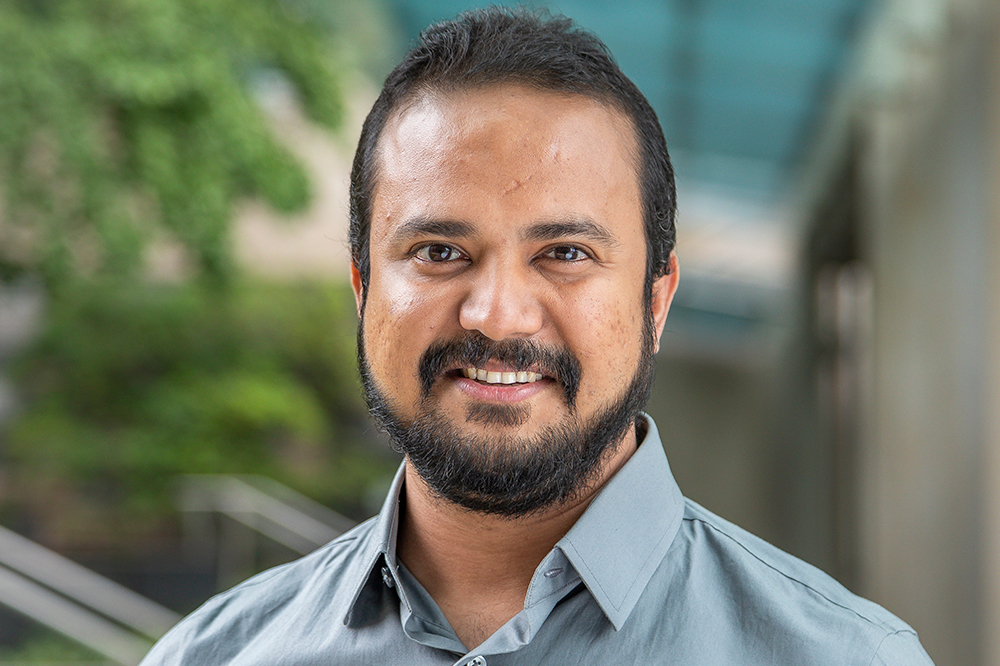
Agnik Dasgupta

Agnik Dasgupta

TCG Crest – CHINTA
Kolkata, India

National
Dr. Dasgupta's research focuses on understanding how the nervous system develops — specifically how initially unorganised groups of neuronal cells progressively assemble into highly elaborate connectomes. His laboratory uses the zebrafish lateral line, a peripheral sensory organ, to uncover the fundamental mechanisms governing complex neural system formation in living organisms.
Agnik Dasgupta earned his Ph.D. in Cell and Developmental Biology from the State University of New York Upstate Medical University and Syracuse University, under the mentorship of Jeffrey Amack and Lisa Manning. He subsequently trained as a Kavli Neural Systems Institute (KNSI) Postdoctoral Fellow in the laboratory of A. J. Hudspeth at The Rockefeller University, USA. At CHINTA (Center for High Impact Neuroscience and Translational Applications), his laboratory investigates how initially unorganised groups of neuronal cells progressively assemble into the highly elaborate connectome, using the zebrafish lateral line as a tractable in vivo model system.
Neural Circuit Assembly Lateral Line Axon Guidance Mechanosensory Hair Cells
Lab Website
Anamika Bhargava

Anamika Bhargava

Indian Institute of Technology Hyderabad
Hyderabad, India
National
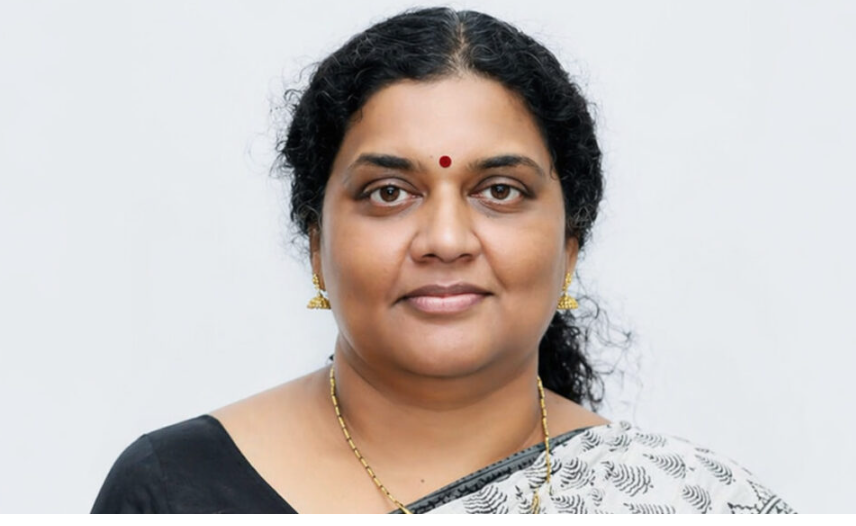
Dr. Bhargava is an Associate Professor in the Department of Biotechnology at IIT Hyderabad, where she applies zebrafish models to study ion channel biology, channelopathies, and the toxicological effects of environmental contaminants and pharmaceuticals on vertebrate development.
Anamika Bhargava earned her Ph.D. from the Department of Pharmacology and Toxicology at the Medical University of Innsbruck in 2008. She then pursued postdoctoral research at the Michael Smith Laboratories, Vancouver, receiving a competitive fellowship for her work on calcium channels, before working as a Research Associate with Julia Gorelik at Imperial College London. She joined IIT Hyderabad as an Assistant Professor in 2014 and is currently an Associate Professor in the Department of Biotechnology. Her research focuses on voltage-gated calcium channels, ion channel function in health and disease, channelopathies, and the use of zebrafish as a vertebrate model for drug screening and mechanistic toxicology. She has held several leadership roles at IITH, including Institute Ranking Nodal Coordinator, Convener of the Departmental Postgraduate Committee, and Secretary of the Institutional Biosafety Committee (2017–2020).
Ion Channel Biology Channelopathies Zebrafish Toxicology Drug Screening
Lab Website
Beena Pillai

Beena Pillai

BRIC-Rajiv Gandhi Centre for Biotechnology
Thiruvananthapuram, India

National
Dr. Pillai is a Director of BRIC-RGCB and a leading RNA biologist whose research investigates how non-coding RNAs and transcription factors regulate gene expression in the nervous system, including during neurogenesis, neuronal function, regeneration, and neurological disease, using zebrafish and mouse models.
Beena Pillai pursued an integrated M.S.–Ph.D. programme in Life Sciences at the Indian Institute of Science (IISc), Bengaluru. She joined CSIR-IGIB, New Delhi, as a postdoctoral fellow and later established her independent research programme there, rising to Chief Scientist. In 2026, she was appointed Director of the Rajiv Gandhi Centre for Biotechnology (BRIC-RGCB), Thiruvananthapuram. Her laboratory investigates how microRNAs and long non-coding RNAs regulate gene expression networks governing neurogenesis, neuronal function, and neurological disorders, integrating genomics, molecular biology, and computational approaches. In zebrafish, her group has shown that non-coding RNAs inherited through the gametes can shape brain development in progeny. She has been recognised with the National Bioscience Award, the INSA Young Scientist Medal, and the CSIR Young Scientist Award in Biological Sciences.
Non-coding RNA Neurogenesis Neurodegeneration Epigenetic Inheritance
Lab Website
Bittu Kaveri Rajaraman

Bittu Kaveri Rajaraman

Ashoka University
Sonipat, India
National
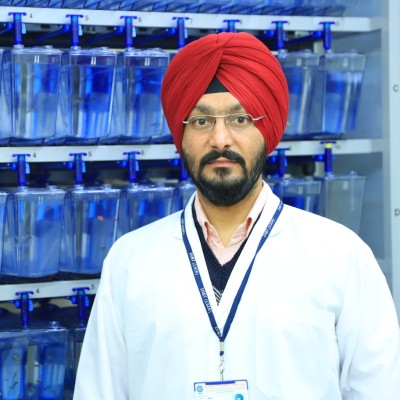
Dr. Rajaraman is an Associate Professor of Biology and Psychology at Ashoka University and leads the Neuroethology Lab, researching neural and behavioural communication systems, temporal pattern recognition in insects, and quantitative cognition in zebrafish, dogs, and humans.
Dr. Bittu Kaveri Rajaraman is an Associate Professor of Biology and Psychology at Ashoka University. They received their Ph.D. in Neuroscience from Harvard University, followed by a DST-Kothari Postdoctoral Fellowship at the Centre for Ecological Sciences, IISc, and an INSPIRE Faculty Fellowship at the Central University of Hyderabad. Their research explores how brains generate behaviour across diverse organisms, spanning the evolution of neural and behavioural communication systems, neuroethology of temporal pattern recognition in insects, and the study of quantitative and economic cognition in zebrafish, dogs, and humans. At Ashoka University, Dr. Rajaraman leads the Neuroethology Lab, integrating neuroscience, ecology, evolution, and behaviour to understand how animals perceive, process, and respond to information in complex environments.
Neuroethology Animal Cognition Zebrafish Behaviour Neural Communication
Lab Website
Damanpreet Singh

Damanpreet Singh

CSIR-Institute of Himalayan Bioresource Technology
Palampur, India
National
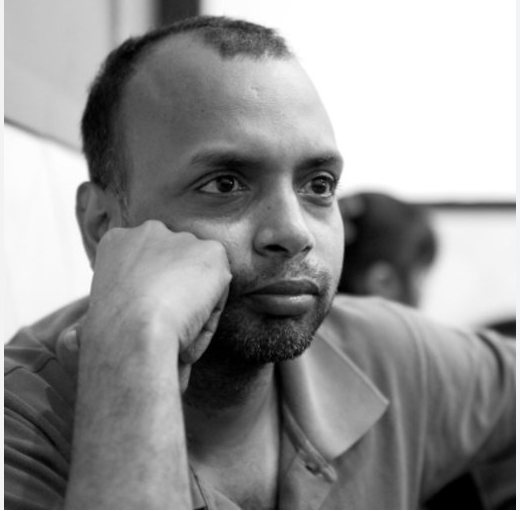
Dr. Singh's research focuses on phytopharmacology and epileptology, integrating traditional medicinal knowledge with modern pharmacological approaches to identify novel therapeutic targets for epilepsy and other neurological disorders, using zebrafish as a key in vivo model.
Damanpreet Singh earned his Ph.D. in Pharmaceutical Sciences and Drug Research from Punjabi University, Patiala, and his M.Pharm from Guru Nanak Dev University, Amritsar. He is currently Senior Principal Scientist and Professor at CSIR-IHBT, Palampur (since 2025), having previously served as Principal Scientist and Associate Professor (2020–2025) and Senior Scientist (2017–2020). His research programme bridges natural product pharmacology and translational neuroscience, with particular emphasis on the scientific validation of traditional Himalayan medicinal herbs and the identification of novel targets for comprehensive epilepsy management. His laboratory applies zebrafish larval and adult seizure models — including PTZ-based chemical kindling — to screen candidate compounds and study mechanisms linking seizures to cardiac damage and neuroinflammation.
Epilepsy Models Antiepileptic Drug Screening Neuroinflammation Natural Products
Lab Website
Deepak Kumar Sinha

Deepak Kumar Sinha

Indian Association for the Cultivation of Science
Kolkata, India
National
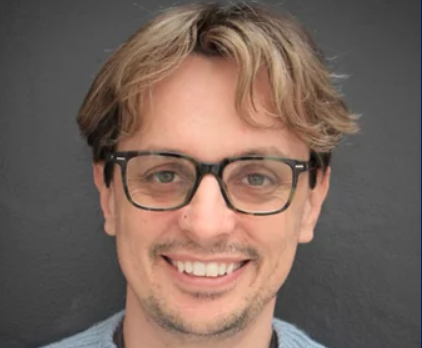
Prof. Sinha's laboratory at IACS investigates the molecular and cellular mechanisms regulating cell physiology, focusing on cytoskeletal dynamics, membrane biophysics, macromolecular crowding, and cell volume regulation, using zebrafish embryos as an in vivo system to probe fundamental questions in cell biology.
Deepak Kumar Sinha is a Professor in the School of Biological Sciences at IACS, Kolkata. His research integrates molecular biology, cell biology, and biophysical approaches to understand how cells sense and respond to changes in their physical and biochemical environment. Current research areas include the roles of macromolecular crowding, TNFR1 signalling, and the cytoskeleton in cellular volume homeostasis, as well as lipid droplet dynamics and actomyosin organisation during early zebrafish embryogenesis. His group uses zebrafish embryos as a powerful in vivo system to study events such as oocyte-to-embryo transition, cleavage furrow formation, and pre-immune antimicrobial defence. He received his Ph.D. from NCBS-TIFR, Bengaluru, and conducted postdoctoral research at ENS, Paris. He was awarded the Ramanujan Fellowship in 2012.
Lipid Droplet Dynamics Cell Biophysics Early Embryogenesis Microenvironment Sensing
Lab Website
Filippo Del Bene

Filippo Del Bene

Institut de la Vision
Paris, France
International
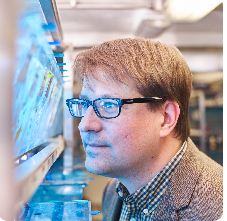
Dr. Del Bene employs advanced in vivo imaging and optogenetics in zebrafish to decode the neural circuits underlying sensory processing and behaviour. His group combines whole-brain imaging with circuit-level optogenetic interrogation at single-cell resolution.
Filippo Del Bene is a Research Director at the Institut de la Vision (Sorbonne Université / INSERM). His laboratory pioneered the use of light-sheet microscopy and two-photon optogenetics to study intact neural circuits in the transparent zebrafish larva. By combining whole-brain calcium imaging with targeted single-neuron stimulation, his group has mapped circuits for visual motion detection, optic-flow processing, and sensorimotor integration. His recent work also exploits chemogenetic and intersectional strategies to dissect the contribution of specific cell types to visually guided behaviours, with implications for understanding visual disorders.
Optogenetics Neural Circuits In Vivo Imaging Visual Processing
Lab Website
Jason Rihel

Jason Rihel

University College London
London, UK

International
Prof. Rihel studies the genetic and neuronal basis of sleep and wakefulness in zebrafish larvae, bridging behavioural neuroscience with pharmacological screening. His high-throughput platform has profiled hundreds of neuroactive compounds for sleep-modulating activity.
Jason Rihel is a Professor of Behavioural Genomics at UCL. His laboratory developed a landmark high-throughput behavioural platform in zebrafish larvae that enables pharmacological and genetic screening for sleep and arousal phenotypes at scale. Using this approach, his group has characterised the roles of numerous neuromodulatory systems — including the hypocretin/orexin, histamine, and adenosine pathways — in regulating zebrafish sleep architecture. More recently, his lab has turned to single-cell transcriptomics and neural circuit approaches to identify the specific neuron types that gate transitions between sleep and wakefulness, with translational relevance for sleep disorders and neuropsychiatric conditions.
Sleep & Arousal Behavioural Genomics Pharmacological Screening Neuromodulation
Lab Website
Karuna Sampath

Karuna Sampath

University of Warwick
Coventry, UK
International
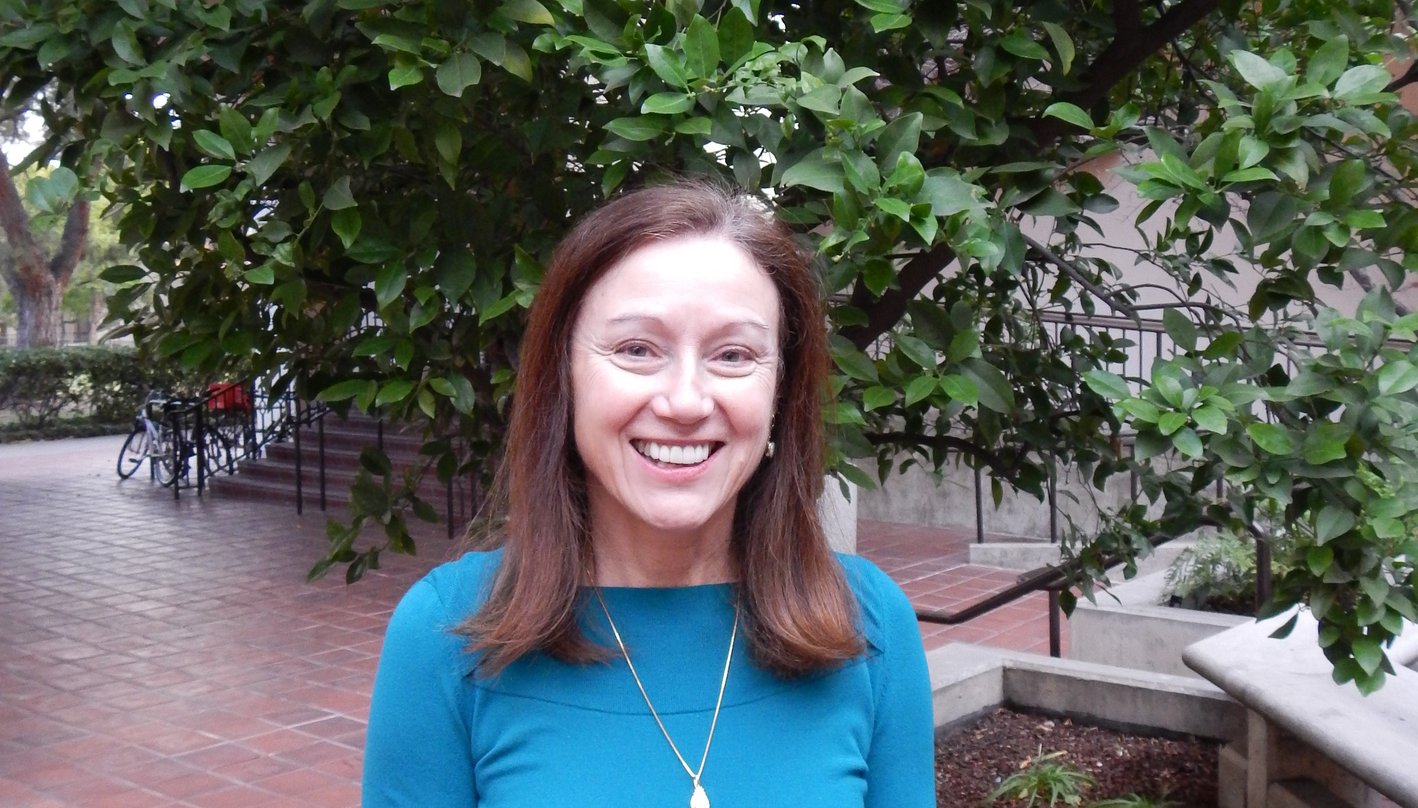
Prof. Sampath's lab uses zebrafish genetics and biochemistry to understand how Nodal signalling and mRNA regulatory mechanisms govern early embryonic patterning. Her research has clarified how Nodal ligands and their antagonists create graded signals that specify distinct cell fates.
Karuna Sampath is a Professor of Systems Biology at the University of Warwick. Her laboratory investigates the mechanisms by which the Nodal family of TGF-β signalling molecules pattern the early vertebrate embryo, focusing on how signal grading is achieved at the molecular level. A key interest is post-transcriptional regulation — including the roles of RNA-binding proteins, mRNA localisation, and translational control — in modulating Nodal pathway activity. Her lab's work in zebrafish has provided deep mechanistic insights into left-right asymmetry determination, mesoderm induction, and gastrulation.
Nodal Signalling mRNA Regulation Gastrulation Left-Right Asymmetry
Lab Website
Marianne Bronner

Marianne Bronner

California Institute of Technology
Pasadena, USA
International
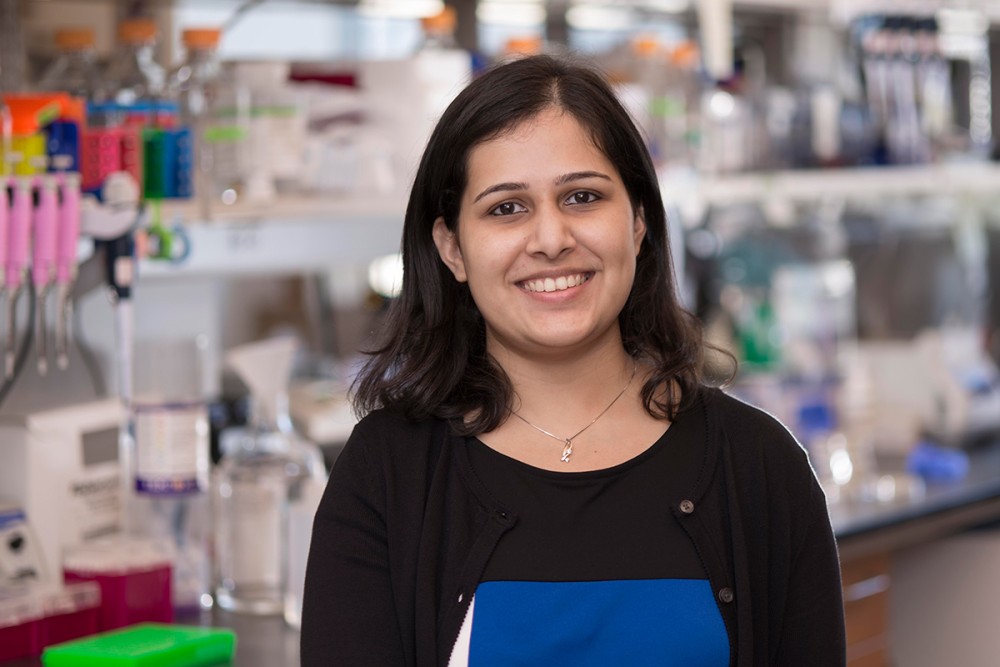
A pioneer in neural crest biology, Prof. Bronner's lab studies the mechanisms of neural crest cell development, migration, and disease using zebrafish and chick models. Her work has fundamentally shaped our understanding of how neural crest cells arise, migrate, and differentiate into diverse cell types.
Marianne Bronner is the Edward B. Lewis Professor of Biology and the Director of the Beckman Institute at Caltech. Her laboratory has made seminal contributions to understanding the gene regulatory networks (GRNs) governing neural crest specification and migration. A major focus of her current research is the role of chromatin remodelling and enhancer activity in establishing the neural crest transcriptional program. Her lab combines single-cell transcriptomics, live imaging, and CRISPR-based approaches in both zebrafish and chick embryos to dissect how neural crest progenitors acquire their remarkable multipotency and how defects in this process underlie neurocristopathies.
Neural Crest Gene Regulatory Networks Cell Migration Neurocristopathies
Lab Website
Mohita Malay Tagore

Mohita Malay Tagore

Memorial Sloan Kettering Cancer Center
New York, USA

International
Dr. Tagore is a cancer biologist whose research investigates how interactions between tumour cells and their surrounding microenvironment influence cancer initiation, progression, and therapeutic response, using zebrafish models combined with genetics, advanced in vivo imaging, and human tissue approaches.
Mohita Malay Tagore is a Senior Research Scientist at the Memorial Sloan Kettering Cancer Center and the Sloan Kettering Institute in New York. She completed her Ph.D. at Michigan State University, studying transcription factor regulation in innate immune responses. As a postdoctoral fellow in Richard White's laboratory at MSKCC — where she received the prestigious Kravis WiSE Postdoctoral Fellowship in 2020 — she used zebrafish models to dissect cell–cell communication in melanoma. Her research has demonstrated that GABAergic signalling from keratinocytes can endow melanocytes with oncogenic competence for BRAFV600E-driven tumour initiation, and that mutations in epithelial structural networks accelerate tumour formation. She combines genetics, developmental biology, cancer biology, and advanced in vivo imaging to understand the earliest events in cancer development.
Melanoma Initiation Tumour Microenvironment GABAergic Signalling Zebrafish Cancer Models
Mujahidkhan A. Pathan

Mujahidkhan A. Pathan

ICAR-Central Institute of Fisheries Education
Mumbai, India
National
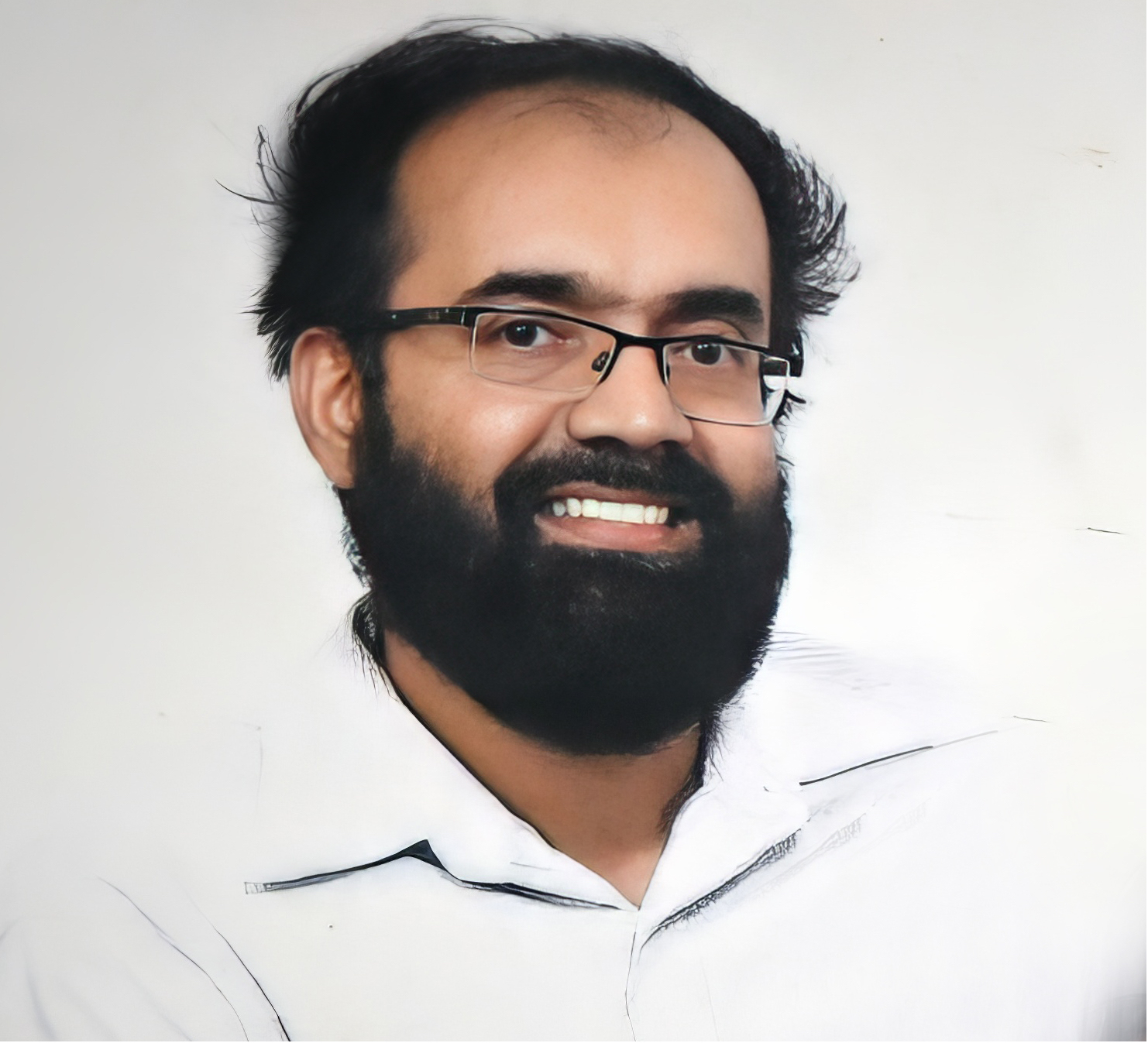
Dr. Pathan is a Senior Scientist and Officer-in-Charge at the Rohtak Centre of ICAR-CIFE, Mumbai, whose research spans aquaculture genetics, selective breeding, and zebrafish genomics, including the establishment of inbred and wild zebrafish strains as a national bioresource for Indian researchers.
Mujahidkhan A. Pathan holds a Ph.D. in Fish Biotechnology and is a Senior Scientist (ARS) at the ICAR-Central Institute of Fisheries Education, Mumbai. His research interests encompass quantitative genetics, common carp and zebrafish breeding, and molecular genetics, with a focus on improving aquaculture productivity through advanced genetic approaches. He has served as principal investigator on an NFDB-funded project to establish a Zebrafish BioResource Centre in India, developing both wild and inbred zebrafish strains of national importance for standardising experimental backgrounds in biomedical and genetic research. His laboratory also applies zebrafish embryo toxicity tests to assess the genotoxicity, teratogenicity, and developmental toxicity of environmental contaminants and industrial dyes relevant to Indian aquatic environments.
Zebrafish Bioresource Fish Genetics & Breeding Aquaculture Genetics Ecotoxicology
Rajesh Ramachandran

Rajesh Ramachandran

Indian Institute of Science Education and Research Mohali
Mohali, India
National
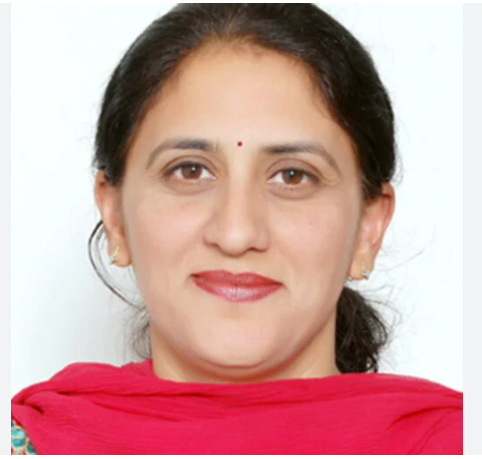
Prof. Ramachandran's laboratory at IISER Mohali investigates the molecular and cellular mechanisms enabling tissue and organ regeneration following injury, with a focus on Müller glia reprogramming in zebrafish retinal regeneration and the roles of epigenetic regulation, microRNAs, and signalling pathways in this process.
Rajesh Ramachandran is a Professor in the Department of Biological Sciences at IISER Mohali, where he joined as Assistant Professor in 2012 and was promoted to Associate Professor in 2018 before becoming a full Professor. He received his Ph.D. from CCMB/Jawaharlal Nehru University and conducted postdoctoral research at CCMB and later at the University of Michigan, where he investigated retinal regeneration mechanisms. His laboratory uses zebrafish and axolotl as model systems to dissect genetic, epigenetic, and signalling pathways governing tissue repair and regeneration. A major focus is the capacity of Müller glial cells to reprogram into neural progenitors following retinal injury, with key contributions to understanding the roles of HDACs, let-7 microRNA, Oct4, Tgf-β signalling, and PTEN in controlling regenerative competence. His group also investigates how metabolic disorders such as type 2 diabetes impair regeneration, with implications for translational medicine.
Retinal Regeneration Müller Glia Reprogramming Epigenetic Regulation Stem Cells & Progenitors
Lab Website
Ravneet Kaur

Ravneet Kaur

Panjab University
Chandigarh, India
National
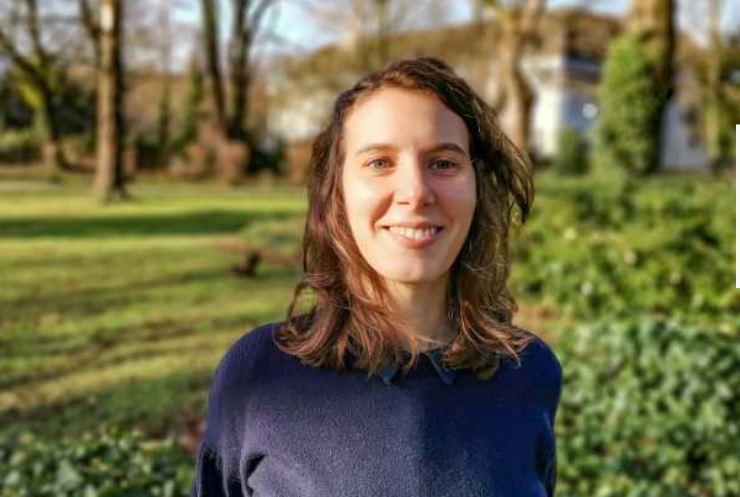
Dr. Kaur is an Associate Professor in the Department of Zoology at Panjab University whose research spans fish and fisheries biology, freshwater ecology, aquatic biodiversity, and environmental monitoring, with zebrafish-based biological studies contributing to the assessment and conservation of aquatic ecosystems.
Ravneet Kaur holds an M.Sc. and Ph.D. in Zoology from Panjab University, Chandigarh, where she is an Associate Professor in the Department of Zoology. Her research expertise covers freshwater ecology, environmental biology, fish biomaterials, and the biological assessment of aquatic ecosystems, with a focus on conservation and sustainable aquaculture. She has been active in research and academic activities since 2014, contributing to zebrafish-based biological studies alongside broader investigations of aquatic biodiversity and ecosystem health. She has participated in funded research projects evaluating fish biodiversity and the ecological condition of freshwater systems, contributing to sustainable management of aquatic resources in India.
Freshwater Ecology Aquatic Biodiversity Environmental Monitoring Fish Biology
Rita Mateus

Rita Mateus

Max Planck Institute of Molecular Cell Biology and Genetics
Dresden, Germany

International
Dr. Mateus investigates the biophysical and molecular principles underlying tissue growth and scaling, using zebrafish fins as a model system. Her work bridges developmental biology and quantitative biophysics to understand how organs reach their correct size.
Rita Mateus leads a research group at the MPI-CBG focused on the mechanisms of organ size control and allometric scaling. Using the regenerating zebrafish fin as a tractable system, her lab has uncovered how morphogenetic signals are scaled to tissue dimensions, and how growth termination is achieved with remarkable precision. Her approaches include quantitative live imaging, biophysical modelling, and genetic perturbation, revealing how tissues sense and respond to their own size. This work has broad implications for understanding developmental robustness and regeneration.
Organ Size Control Fin Regeneration Biophysics Morphogen Scaling
Lab Website
Roberto Mayor

Roberto Mayor

University College London
London, UK
International
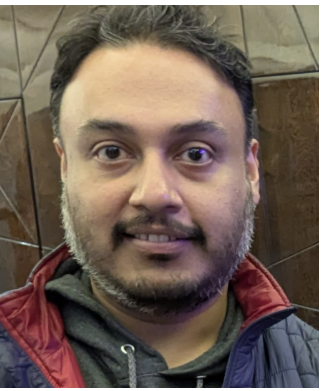
Prof. Mayor's research focuses on the collective cell migration of neural crest cells, revealing fundamental principles of how cells coordinate movement during embryogenesis. His lab has defined key roles for cell polarity and contact inhibition of locomotion (CIL) in directing migration.
Roberto Mayor is a Professor in the Cell and Developmental Biology department at UCL. His laboratory has been at the forefront of understanding the cellular and molecular mechanisms of collective neural crest migration. A landmark contribution from his group is the discovery that contact inhibition of locomotion (CIL), coupled with co-attraction signals, drives directional collective migration — a principle that has since been extended to metastatic cancer cells. His current work uses zebrafish and Xenopus models, combined with in vitro reconstitution and computational modelling, to understand how physical and biochemical signals are integrated during migration.
Collective Migration Contact Inhibition Neural Crest Mechanobiology
Lab Website
Soumitra Mitra

Soumitra Mitra

Amity Institute of Neuropsychology and Neurosciences, Amity University
Noida, India

National
Dr. Mitra is an Assistant Professor-II at the Amity Institute of Neuropsychology and Neurosciences (AINN), Amity University, Noida, working at the intersection of cell and molecular biology and neuroscience, with a focus on cellular and molecular mechanisms underlying neurological processes.
Dr. Soumitra Mitra is an Assistant Professor-II in the field of Cell and Molecular Biology at the Amity Institute of Neuropsychology and Neurosciences (AINN), Amity University, Noida. His academic and research interests lie at the intersection of cellular and molecular mechanisms underlying biological and neurological processes, with a focus on advancing understanding of human health and disease. As a faculty member at AINN, Dr. Mitra contributes to both teaching and research in the life sciences, mentoring students and fostering interdisciplinary approaches to modern biological questions. His work reflects a commitment to scientific inquiry and the application of molecular biology tools to address challenges in neuroscience and biomedical research.
Cell & Molecular Biology Neuroscience Neurological Disorders Biomedical Research
T. N. Vivek

T. N. Vivek

CSIR-Institute of Genomics and Integrative Biology
New Delhi, India

National
Dr. Vivek (Vivek T. Natarajan) is a Senior Principal Scientist at CSIR-IGIB, New Delhi, whose laboratory uses zebrafish and other model systems to investigate stem cell biology, regenerative medicine, melanocyte development, and disease modelling, with translational applications in vitiligo and cell-based therapies.
Dr. T. N. Vivek (Vivek T. Natarajan) is a Senior Principal Scientist (Scientist F) in the Integrative Biology programme at CSIR-Institute of Genomics and Integrative Biology (CSIR-IGIB), New Delhi, and a faculty member of the Academy of Scientific and Innovative Research (AcSIR). His research focuses on stem cell biology, regenerative medicine, developmental biology, pigment cell biology, and disease modelling. His laboratory employs diverse model systems, including zebrafish, to investigate the molecular mechanisms governing cell fate decisions, tissue regeneration, melanocyte development, and disease progression. At CSIR-IGIB, Dr. Vivek leads research on engineered cellular therapeutics, tissue regeneration strategies, and stem-cell-based interventions for human disease. His group has made significant contributions to understanding melanocyte biology and pigmentation disorders, including translational strategies for vitiligo.
Stem Cell Biology Regenerative Medicine Melanocyte Biology Disease Modelling
Lab Website